HTC - a New Smartphone Experience

Author: Labels: ,
I've been pleased the last few weeks to join the "smartphone" crowd! I was feeling a little bit left out with my 2-year old cell phone and was very keen to try out a smartphone for myself. I've been using an HTC OneX for a few weeks on loan, and it's been an interesting experience.
gambar

Some specs on the HTC OneX:

SIZE: 134.36 x 69.9 x 8.9 mm
WEIGHT: 130 grams with battery
DISPLAY: 4.7-inch super LCD 2
RESOLUTION: 1280 x 720 (HD, 720p)
PLATFORM: Android

Features I liked:
  • The setup and operation is simple so you can get right away to the good stuff...a few settings were tricky to find, but a quick internet search found tips to figure it out.
  • The camera is easy to operate and fast to get to, making it easier to catch "the moment."
  • Video is high quality.
  • I really appreciated the light weight of the phone - it seems like I'm carrying so much already :) and adding this phone to my purse didn't weigh me down, unlike carrying the digital camera does.
  • The Android platform means that anything from Google Play is suitable for download, and there's a ton of apps out there!

Samsung's New Budget Galaxy Pocket Plus Smartphone

Author: Labels: ,
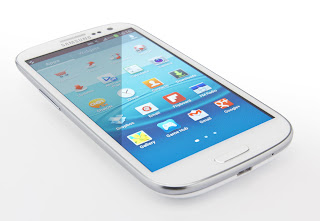
Along with the updates to Android 4.1 Jelly Bean operating system, Samsung is also getting ready to launch yet another entry level smartphone. As of now the information points to the direction that Samsung might named this handset Galaxy Pocket Plus.

Gambar

The budget smartphone will feature a 2.8 inch LCD touch screen which supports a resolution of 240 X 320 pixels. The handset functions on Android 4.0 Ice Cream Sandwich operating system. It is powered by an 832 MHz mobile processor. One the connectivity front it features a Bluetooth 3.0 and also comes with 3G network support.

The speculations that Galaxy Pocket might also be in the list to receive an update to Ice Cream Sandwich is pretty strong.

Can Smartphone Observations Revolutionize Weather Forecasting?

Author: Labels:
Gambar

It turns out that a number of new smartphones, such as the Galaxy S3, have relatively good atmospheric pressure sensors in them. Intended to provide elevation information for a variety of apps, these pressure sensors--if collected and quality controlled--could provide thousands, if not millions, of pressure observations each day across the nation. The implications are huge, particularly since surface pressure is a uniquely valuable meteorological observation. As described below, a private-sector company has already created an app to collect and display these pressures, and meteorological research (including myself and others at the UW) are doing research on getting maximum benefits from these pressure observations.

First, which smartphones have pressure sensors in them? Right now they are mainly Android 3 phones, including: the Galaxy Nexus, Galaxy S3, Galaxy Note, Galaxy Note II, Nexus 4, Nexus 10 and Xoom. Tens of millions of these phones have been sold worldwide, so there are undoubtedly millions in the U.S. alone. Millions of weather observatories, if only if they were collected in real time.

One company has stepped up to the plate: a small Canadian firm called, appropriately enough, Cumulonimbus Software. They have developed a nice app for the Android 3 phones called PressureNet2.1 that can be downloaded for free.